VOXARIA
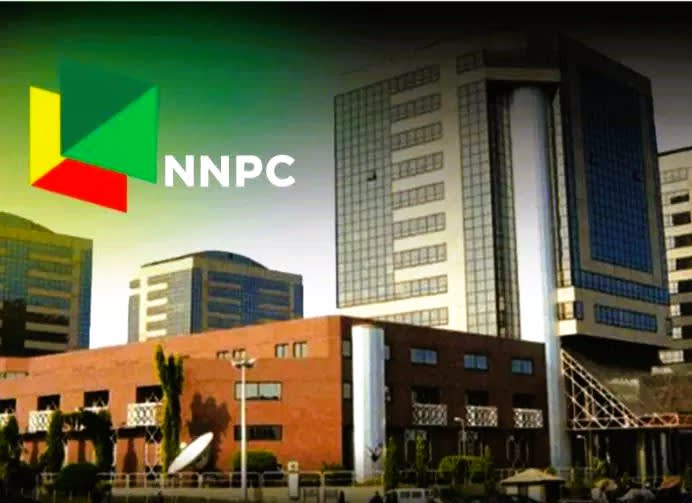
The Socio-Economic Rights and Accountability Project (SERAP) has taken the Nigerian National Petroleum Company Limited (NNPCL) to court, accusing the national oil company of failing to explain and account for more than ₦211 trillion recorded in its 2023 audited financial statements.
According to the suit, filed last week at the Federal High Court in Abuja under case number FHC/ABJ/CS/1427/2026, the disputed figure — precisely ₦211,015,245,000,000 — is split between two broad categories: roughly ₦107.6 trillion listed as "Sundry Receivables" and approximately ₦103.4 trillion listed as "Accrued Expenses." SERAP contends that NNPCL's financial statements record these enormous sums without providing the kind of detail that would allow independent verification, leaving Nigerians unable to determine who owes the company money, who the company itself owes, or the legal basis underpinning either category of transaction.
In simple terms, the organisation's lawyers explained in the filing that sundry receivables represent money NNPCL says is owed to it by individuals, companies, or government entities but has not yet collected, while accrued expenses represent obligations the company has incurred for goods or services but has not yet settled. Taken together, SERAP argues, the two categories represent a staggering sum that deserves far more scrutiny than the audited statements currently allow.
The rights group is asking the court for an order of mandamus compelling NNPCL to provide a full reconciliation of both figures — including the identities of debtors and creditors, the amounts involved, the legal basis for each transaction, and the current status of any recovery or repayment efforts. SERAP also wants the company directed to release all underlying records used in preparing and approving the disputed financial entries.
Central to the legal argument is Nigeria's Freedom of Information Act, under which SERAP says it had formally requested this information from NNPCL, only to receive no response within the statutory window — a silence the Act treats as an effective refusal, opening the door to judicial intervention. SERAP's lawyers maintain that NNPCL's status as a commercial entity does not exempt it from these transparency obligations, arguing that the information sought touches on matters of overwhelming public interest tied to fiscal accountability and the responsible management of Nigeria's oil wealth.
This is not the first time NNPCL's disclosure practices have drawn legal scrutiny. Civil society groups have repeatedly pressed the company for greater transparency since the implementation of the Petroleum Industry Act, arguing that its transition to a commercial entity should not shield it from public accountability obligations that predate the reform.
As the matter proceeds before the Federal High Court, the case is likely to be closely watched as a test of how much visibility Nigerians can legally demand into the management of the country's most consequential revenue stream — and whether the courts are prepared to compel that transparency where voluntary disclosure has fallen short.