VOXARIA
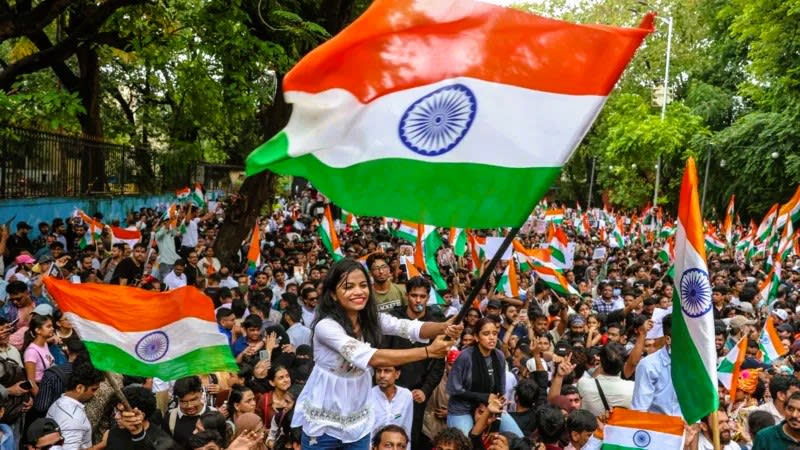
A wave of youth-led protests that gripped New Delhi for weeks reached a dramatic turning point on July 25, when India's Education Minister Dharmendra Pradhan announced his resignation, marking one of the most significant concessions extracted from Prime Minister Narendra Modi's government during his twelve years in power.
The demonstrations, organised under the banner of the Cockroach Janta Party (CJP) — a movement that began as satirical online commentary before evolving into a genuine political force — first emerged in early June. Protesters, overwhelmingly students and young people, accused Pradhan of mismanaging national entrance examinations after papers for prestigious medical and university admission tests were found to have been leaked and, according to allegations, sold in advance. The leaks forced millions of students nationwide to retake exams, fuelling anger among a generation already anxious about competitive academic and career prospects.
What began as largely peaceful sit-ins escalated sharply in the days before Pradhan's resignation. On July 20, thousands of protesters attempted to march toward India's Parliament from the historic Jantar Mantar observatory, only to be met by tear gas, baton charges and, according to some accounts, pellet guns. Delhi Police had declared the march unlawful and imposed prohibitory orders beforehand, and officials have denied allegations of excessive force despite widespread video evidence circulated by protesters themselves on social media. The demonstrations drew further momentum after a well-known educator, who had joined the students on hunger strike in solidarity, was forcibly removed from the protest site — an incident that noticeably swelled the movement's ranks in its final week.
Pradhan's resignation came via a statement posted on social media on Saturday, arriving even as police were once again dispersing crowds with tear gas, and just hours before protest leaders were scheduled for another round of talks with federal ministers. In his own remarks, the outgoing minister maintained that the government had remained fully committed to addressing the concerns raised, while suggesting that students deserved substantive engagement rather than being used as instruments in a broader political campaign.
Following the announcement, protest leaders called on demonstrators to return home, describing the decision to stand down as an act of good faith rather than an admission that the movement's work was complete. Authorities moved quickly to clear the protest site, removing tents and painting over graffiti that had accumulated at Jantar Mantar over the preceding weeks. CJP founder Abhijeet Dipke told supporters gathered at the site that the movement's departure was temporary, signalling an intention to reconvene if circumstances demanded it.
Not all of the protesters' core demands were met by the resignation alone. Organisers have continued to press for compensation for the families of students who died by suicide amid the fallout from the exam cancellations and leaks — a demand that remains unresolved even as the immediate crisis over Pradhan's position has passed.
The broader political implications of the episode are still being weighed. Analysts note that Modi's government has historically shown little willingness to yield to public pressure campaigns, making Pradhan's resignation a notable departure that some observers believe could embolden future protest movements to test the government's resolve on other issues. Whether the "Cockroach" movement itself resurfaces, or whether its influence fades once the immediate grievance has been addressed, is likely to become clearer only as India's political calendar moves forward in the months ahead.