VOXARIA
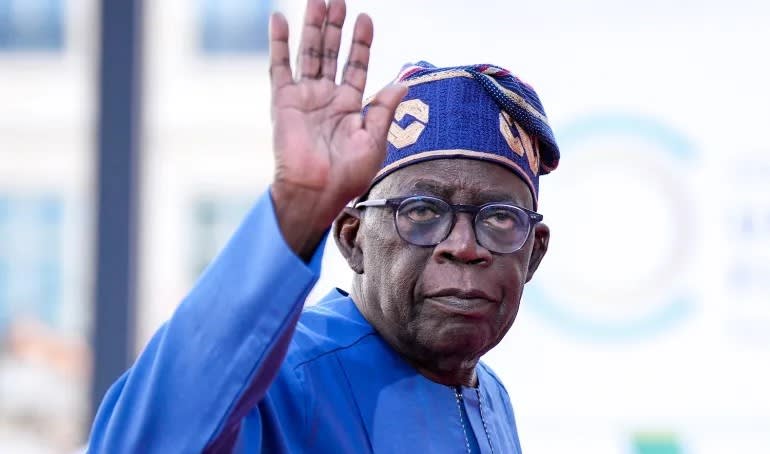
Maritime lawyers have renewed calls on President Bola Ahmed Tinubu to urgently sign the Nigerian Port Economic Regulatory Agency (NPERA) Bill into law, arguing that further delay is holding back much-needed reforms in Nigeria's maritime sector.
The appeal came from the President of the Nigerian Maritime Law Association, Chief Michael Igbokwe, speaking at the 18th International Maritime Seminar for Justices in Abuja. He noted that the bill, designed to establish an independent economic regulator for Nigeria's ports, has already been forwarded to the presidency on two separate occasions without receiving assent, and insisted that further delay serves no one's interest. According to Igbokwe, the legislation would strengthen the regulatory authority of the Nigerian Shippers' Council, improve the efficiency of port operations, and help restore investor confidence in a sector long criticised for regulatory overlaps and inefficiency.
The bill's journey to this point has been anything but straightforward. First passed by the National Assembly in July 2024, it was transmitted to the president for assent but was declined in October 2025, with the Ministry of Justice citing critical concerns identified during a detailed legal review. According to the Nigerian Shippers' Council, the president's specific objections centred on the bill's mandate provisions and a proposed one percent Freight Stabilisation Fee, along with questions about the Council's expanded role as the designated Port Economic Regulator.
Following that setback, the Shippers' Council said it engaged directly with the Attorney General of the Federation to resolve the contentious provisions, with officials indicating that the areas of confusion — including how the Council's mandate had changed under a 2015 presidential order — had since been clarified. The National Assembly subsequently reconsidered and repassed the bill during plenary sessions in Abuja, following a motion led by the Senate Leader, sending it back toward the president's desk for a renewed decision.
Despite the legislative back-and-forth, pressure from maritime stakeholders has remained consistent and, at times, urgent in tone. The Maritime Elders Forum, in an open letter to the president in December 2025, described the continued absence of an economic regulator as effectively leaving Nigeria's newly created Ministry of Marine and Blue Economy without a functioning "referee" for the sector — allowing inefficiency and arbitrary practices to persist unchecked. The forum estimated that Nigeria is losing an estimated $250 billion annually in potential investment and revenue due to the lack of a legally backed regulatory framework, while continuing to commend the broader reforms undertaken by the Tinubu administration in the maritime space, including fuel subsidy removal and increased crude oil production.
Proponents of the bill argue that its core function — acting as a central economic umpire responsible for setting tariffs, mediating disputes, and eliminating arbitrary charges across Nigeria's fragmented port system — is increasingly urgent given Nigeria's ambitions within the African Continental Free Trade Area, where competitive, transparent port pricing is seen as essential to attracting regional trade.
With the revised bill now back in the legislative and executive pipeline, maritime stakeholders across the industry — from lawyers to shippers to industry elders — appear largely united in their message: that presidential assent to the NPERA Bill is no longer simply a procedural formality, but a critical step toward modernising a sector stakeholders say has waited long enough for reform.